

The findings are based on a C-Voter nationwide survey conducted on July 8 and 9 among 1,641 respondents aged 18 years and above. The data was weighted according to the known demographic profile based on the Census and the final Election Commission of India results.
Participants were asked 12 questions covering support for the government's ethanol-petrol blending programme, its financial and energy policy implications, and whether ethanol blending could reduce India's dependence on imported crude oil. The issue has gained greater importance following disruptions to global energy supplies through the Strait of Hormuz during the United States-Iran conflict.
When asked whether they supported ethanol blending, 52 per cent of respondents opposed the programme, while 25.9 per cent remained undecided. Only 22 per cent expressed support for the initiative.
Nearly 60 per cent of respondents across political affiliations believed the programme was being implemented too quickly without adequate research, while fewer than 16 per cent disagreed with that assessment.
More than 55 per cent of respondents said they preferred not to use E20, a blend containing 80 per cent petrol and 20 per cent ethanol, in their vehicles because of fears that it could damage engines. Among the concerns raised, 52.8 per cent believed the fuel reduced mileage, while 54.2 per cent feared it could harm vehicle engines.
The survey also found overwhelming demand for consumer choice. A total of 76 per cent of respondents urged the government to make both ethanol-blended petrol and regular petrol available simultaneously at fuel stations. A similar proportion believed E20 should be sold at a substantially lower price than regular petrol to offset the perceived risks associated with its use.
Despite the possibility of lower pricing, only 40.8 per cent of respondents said they would purchase the blended fuel. Meanwhile, 20.7 per cent believed the government had failed to provide adequate and accurate information regarding E20 fuel and its compatibility with different vehicle models.
Concerns were particularly strong regarding owners of older vehicles. Overall, 56.3 per cent of respondents, including 49.2 per cent of Bharatiya Janata Party voters, considered it unfair to make E20 mandatory for vehicles manufactured before optimisation for higher ethanol blends.
On the policy front, however, more than 43 per cent of Bharatiya Janata Party voters believed E20 would help reduce India's fuel import bill and strengthen the country's long-term energy security.
The survey was released after the Central Government strongly defended the E20 programme, arguing that the transition would reduce the country's vulnerability to international oil market disruptions.
The government has also maintained that E20 cannot be priced below regular petrol because ethanol production costs are linked to guaranteed payments made to farmers rather than fluctuations in global crude oil prices.
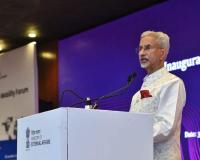
Union Petroleum Minister Hardeep Singh Puri recently addressed the controversy, stating that complaints regarding engine wear, gasket damage and reduced mileage became prominent only after the June 5 launch of E85 flex-fuel vehicles by Hero, Suzuki and Toyota. The launch prompted opposition parties to accuse the government of conducting an experiment on consumers without their consent and renewed demands for multiple fuel options at petrol stations, similar to the system followed in Brazil.
Responding to technical concerns involving older vehicles manufactured before 2023, the minister acknowledged that some complaints had merit but described the issues as manageable and dependent on driving conditions.
He cited manufacturer data indicating that approximately 1.5 crore vehicles had been serviced without complaints. He also highlighted ethanol's higher octane rating of 108, compared with approximately 84 for conventional petrol, explaining that this accounted for marginal differences in fuel efficiency.
Rejecting demands for multiple fuel options at retail outlets, Puri said separate ethanol grades were impractical because petrol stations use shared underground storage tanks that cannot accommodate several different fuel blends simultaneously.
The minister further argued that ethanol blending has become a critical component of India's energy security strategy because more than 85 per cent of the country's crude oil requirements are met through imports, while vital supply routes through the Strait of Hormuz remain exposed to geopolitical risks. According to the minister, the ethanol blending programme has saved India Rs 1.9 lakh crore in foreign exchange and supports the broader objective of achieving energy self-reliance under the Atmanirbhar Bharat initiative, alongside measures to increase domestic oil and gas exploration.
The survey highlights a widening gap between the government's energy security objectives and public confidence in E20 fuel. While many respondents acknowledge the programme's potential strategic benefits, widespread concerns over vehicle compatibility, pricing, transparency and consumer choice continue to shape public opinion, presenting a significant challenge as the government advances its ethanol blending policy.
About The Author









Comment List